
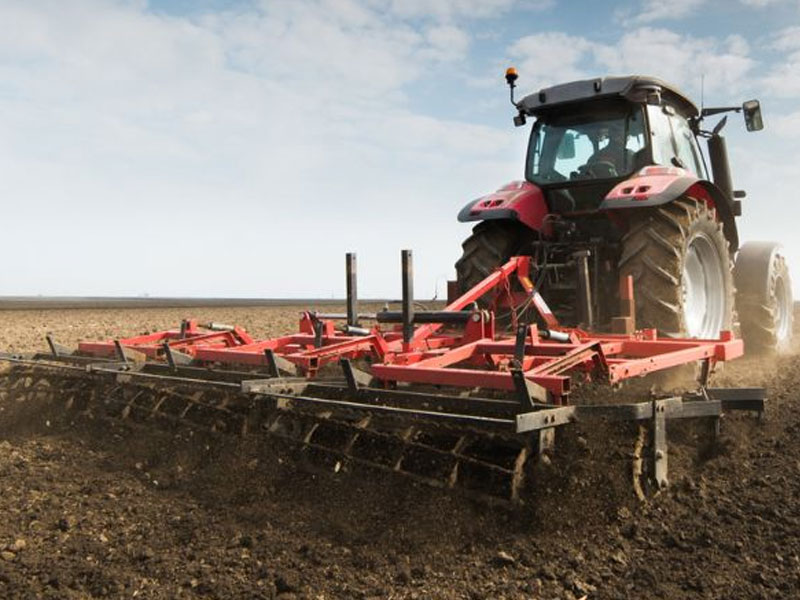
What is Agriculture 4.0? Let’s see what it consists of in the world of Pineta srl
Agriculture 4.0 is a new model of conceiving agricultural and production activities through the aid of new technological discoveries. Numerous digital agricultural techniques have spread within the agricultural sector over the last decade. A new way of defining these new systems is Agriculture 4.0, referring to the use of IT tools such as the Internet of Things (IoT), Big Data, and above all Artificial Intelligence aided by robotics. These have made it possible to extend agricultural activities involving the entire supply chain, making them faster and more efficient.
Agriculture 4.0 consists of that set of agricultural techniques aimed at the systematic use of new scientific technologies in the field of cultivation and related activities. This innovation, which continues to expand over time, makes it possible to improve the final harvest result and the environmental sustainability of agricultural activity, as well as production quality, environmental impact, and the socio-environmental conditions of companies. For this reason, the numerous benefits are not strictly connected only to those working within a specific company but also involve the entire community and the territory in which it is located. For the results to be fully enjoyed, it is important that all companies involved within the supply chain work together.
Agriculture 4.0: the importance of collaboration in the supply chain
A key element in the current management of the agricultural sector is the so-called siloed approach. On the other hand, companies are still used to working independently, without sharing data and information with other related companies in the supply chain. However, it is important to understand that the results associated with the digitalization of the agricultural sector are fully achievable only when all businesses are able to share their data and have the capacity to process and exploit its full value through the intervention of modern technologies.
What are the most used technologies
Among the most widespread technologies is certainly artificial intelligence applied to robotics, mainly used in livestock farms for milking cows, harvesting vegetables, and the use of pesticides and parasiticides in the fields. Within the Sustainable Development Agenda proposed by the United Nations, we see how the robotization of agricultural activity is a fundamental and necessary step to meet the new challenges of the future.
Artificial intelligence in agriculture is not applied only through robotics, but through management software for a good 31% in Italy. Thanks to their IT characteristics, these electronic software programs are able to significantly reduce the working hours of employees engaged in automatic and monotonous activities, managing to involve them in more relevant and innovative activities, such as, for example, defining harvest strategies or the method of identifying and using organic pesticides.
This type of sector will evolve significantly over the next few decades, especially through the measures implemented by the PAC, namely the Common Agricultural Policy, within the European Union. In fact, numerous substantial funds have been allocated to support technological innovation in agricultural techniques. Data is the main engine of new AI (artificial intelligence) systems, and thanks to the increase and collection of information, machines can evolve and learn to work at their best.
Data management in Agriculture 4.0
The game is played on the ability to collect, store, and use useful data for the sector. This is why the coordination and involvement of all companies in the supply chain is fundamental. The creation of shared and secure databases is certainly an important aspect and will be even more so in the future, when the available technologies increase and it becomes necessary to understand how to use them to one's advantage. Data management takes place on three levels: business, technological, and legal. The first aims to understand the economic value of data for the individual companies that use it.
The Smart Agrifood Observatory already has a vast range of cases available that allow us to understand the benefits obtained so far from the information available to agricultural enterprises. The technological level, on the other hand, is concerned with understanding which data to choose and how to use it in practice, using new technologies. Finally, data management at a legal level is linked to Privacy and compliance with regulations related to the use of sensitive data, such as GDPR or PSD2.
The European Union is very attentive to this aspect, especially working to avoid the concentration of information in the hands of a few powerful companies. Something else will have a significant impact in the future: the spread of ultra-broadband in Italy, which will also reach rural territories currently without suitable infrastructure to support fast connections. All that remains is to wait for further developments in agricultural companies and keep an eye on the sector, which could inspire other production sectors across the entire economic fabric.