
Italian durum wheat flour: why it is envied worldwide
Durum wheat flour is one of the primary elements for preparing a vast variety of foods, as well as a typical product for many dishes of the Mediterranean diet. It is indispensable in our Italian kitchens.
Focus: durum wheat flour
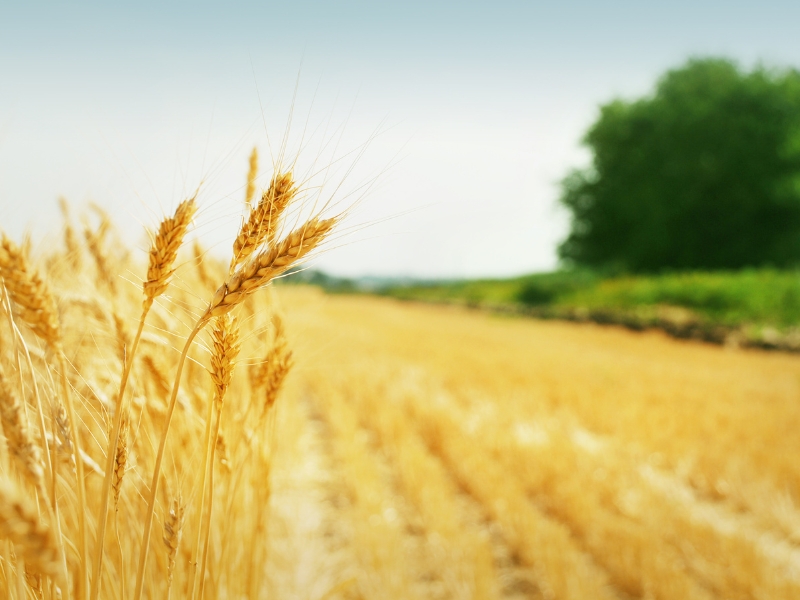
Durum wheat flour, scientifically referred to as Triticum durum, is the product obtained from the further milling of semolina. This type of flour is a granular product derived from the grinding of durum wheat, which appears as more or less coarse amber-yellow grains. For this very reason, we understand that the choice of which type of durum wheat to use is essential for producing high-quality flour.
Italian durum wheat
In Italy, it is possible to choose from several varieties; furthermore, in our country, the wheat is harvested under the dry sun, whereas in Canada, for example, one can choose from 3 or 4 different types and it is often harvested in the rain. There are approximately 2,000 known varieties of durum wheat in Italy; among these, just over 200 are registered in the National Cereal Register, and about ten – selected and certified – are cultivated on a large scale. Initially, selection took place based on phenotype: the farmer would go to the field and select the aesthetically finest ears rich in kernels to create the seed for the following year.
Why choose Italian durum wheat?
The situation abroad
Let's begin by saying that wheat coming from Canada and the United States is evaluated based on quality levels on a scale from 1 to 5 for the former and 1 to 3 for the latter. Foreign cultivations are not sustainable. They have a high environmental impact because they do not take soil protection into account and use fertilizers and phytosanitary products that deplete and impoverish the land.
The situation in Italy
The situation in Italy is significantly different as Italian wheat is the result of work rooted in our tradition and our millenary agri-food history. In Italy, we must remember that there are multiple small producers scattered at the regional level who, although they cannot guarantee large quantities, are nonetheless able to guarantee high quality levels from an organoleptic perspective.
Properties and benefits of Italian durum wheat
Benefits
The benefits of durum wheat flours produced in Italy are manifold, and they certainly increase in the whole-wheat variant. Here they are summarized:
- provides protein
- promotes intestinal well-being and regularity of functions
- helps in case of constipation
- reduces cholesterol levels
- keeps blood sugar low
- prevents cellular aging and some forms of cancer (such as colon cancer)
Nutritional values
- 12.5 g water
- 12.9 g protein
- 2.8 g lipids
- 63 g carbohydrates
- 54 g starch
- 3.2 g sugar
- 3.6 g fiber (7 g for whole-wheat semolina)
- 120 mg magnesium
- 0.07 mg zinc
- 0.06 mg copper
- 2.3 µg selenium
Durum wheat flour is certainly one of the Italian ingredients most envied in the world and its quality is indisputable: it is a product that has been cultivated (and above all used) for millennia on our beautiful peninsula and remains one of the fundamental elements – among many things – of Mediterranean cuisine, where bread and pasta reign supreme.